Cylinder Deactivation (Dynamic Fuel Management) System Description (L84, L87)
Engine Mechanical - 5.3L L84 or 6.2L L87 | Description and Operation | Document ID: 6162174 Cylinder Deactivation (Dynamic Fuel Management) System Description (L84, L87) System Operation To provide maximum fuel economy under light load driving conditions, the engine control module (ECM) will command the cylinder deactivation system ON to deactivate engine cylinders. The L84 and L87 engines are equipped with Dynamic Fuel Management (Variable cylinder deactivation depending on driving conditions). The engine will operate on 8 cylinders, or V8 mode, during engine starting, engine idling, and medium to heavy throttle applications. Lubrication Description Cylinder Deactivation (Dynamic Fuel Management) System Description Valve Lifter Oil Solenoid Valve
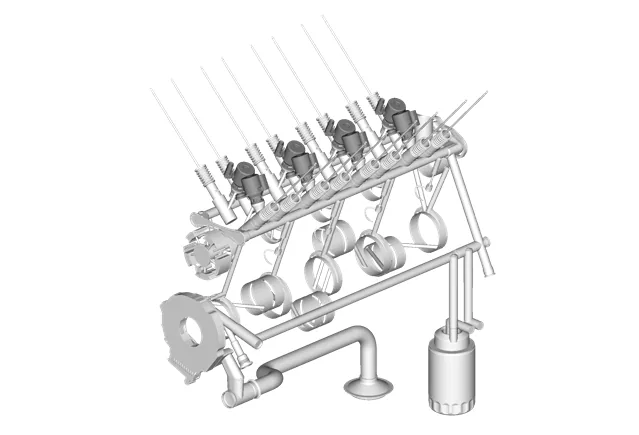
The Dynamic Fuel Management cylinder deactivation system uses 8 valve lifter oil solenoid valves (one for each cylinder). The valve lifter oil solenoid valves are mounted in the engine block valley under the engine block valley cover. Each solenoid controls engine oil pressure to the intake and exhaust valve lifters on the cylinders selected to deactivate. Engine oil pressure is routed to the lifter oil gallery from an internal oil passage on the rear of the cylinder block. The lifter oil solenoid valves are connected to a high control driver internal to the engine control module (ECM). The ground or control circuit for each solenoid is connected to a low side driver internal to the engine control module (ECM). When all enabling conditions are met for cylinder deactivation, the ECM will actuate the high and low control of each solenoid control circuit in firing order sequence, allowing current to flow through the solenoid windings. With the coil windings energized, the solenoid valve opens, redirecting engine oil pressure through the valve lifter oil solenoid valves into vertical passages in the engine block lifter valley. The vertical passages, 2 per cylinder, are connected to the valve lifter bores of the cylinders to be deactivated. When vehicle-operating conditions require a return to V8 mode, the ECM will turn OFF the control circuits for the solenoids, allowing the solenoid valves to close. With the solenoid valves closed, engine oil pressure in the control ports is exhausted through the body of the solenoids into the engine block lifter valley. The oil passages of the valve lifter oil solenoid valves incorporate several bleeds in the oil passages to purge any air trapped in the engine block. Active Fuel Management Valve Lifters
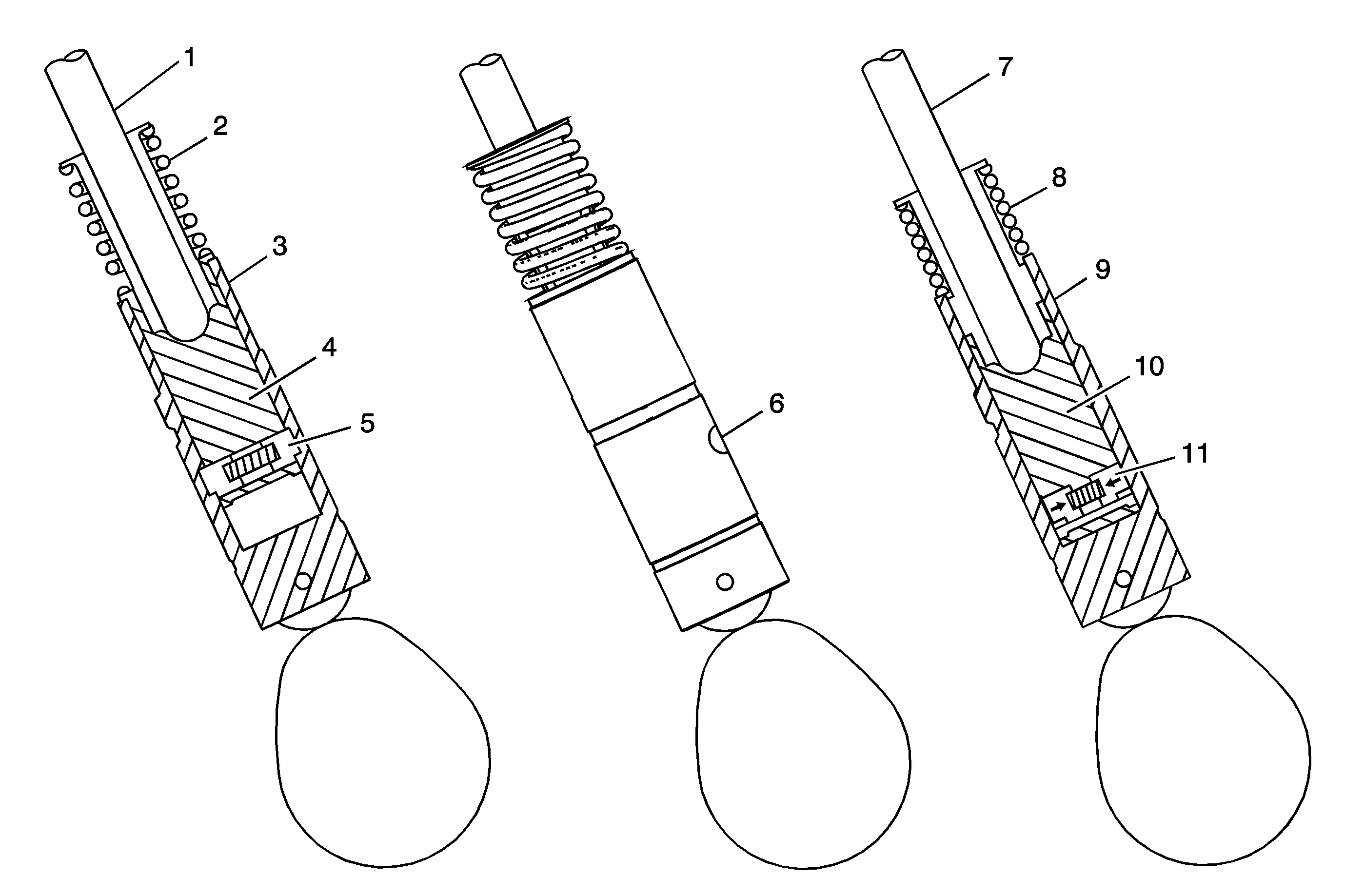
When operating in V8 mode, the dynamic fuel management valve lifters function similar to traditional valve lifters. The oil control solenoid valves are in the closed position, with no pressurized oil directed to the valve lifters. The pushrod (1) travels upward and downward to actuate the rocker arm and valve. The spring loaded locking pins (5) of the lifter are extended outward and mechanically lock the pin housing (4) to the outer body of the valve lifter (3). When the dynamic fuel management system is commanded ON for a given cylinder, the ECM will direct the oil control solenoid valve, for that cylinder, to open and direct pressurized oil to the valve lifter. Oil travels through the oil control solenoid valve and bore and through a gallery that supplies oil pressure to the inlet port (6) of the valve lifter. When an oil control solenoid valve is commanded open, pressurized oil forces the locking pins (11) inward. The pushrod (7) remains in a constant position and does not travel upward and downward. The outer body of the lifter (9) moves upward and downward independently from the pin housing (10). The valve lifter spring (8) retains tension on the valve train components to eliminate valve train noise. When an oil control solenoid valve is commanded off, the oil pressure within the lifter will decrease and the locking pins will move outward to mechanically lock the pin housing and outer body. Engine Control Module (ECM) Cylinder Deactivation (Dynamic Fuel Management) System Description